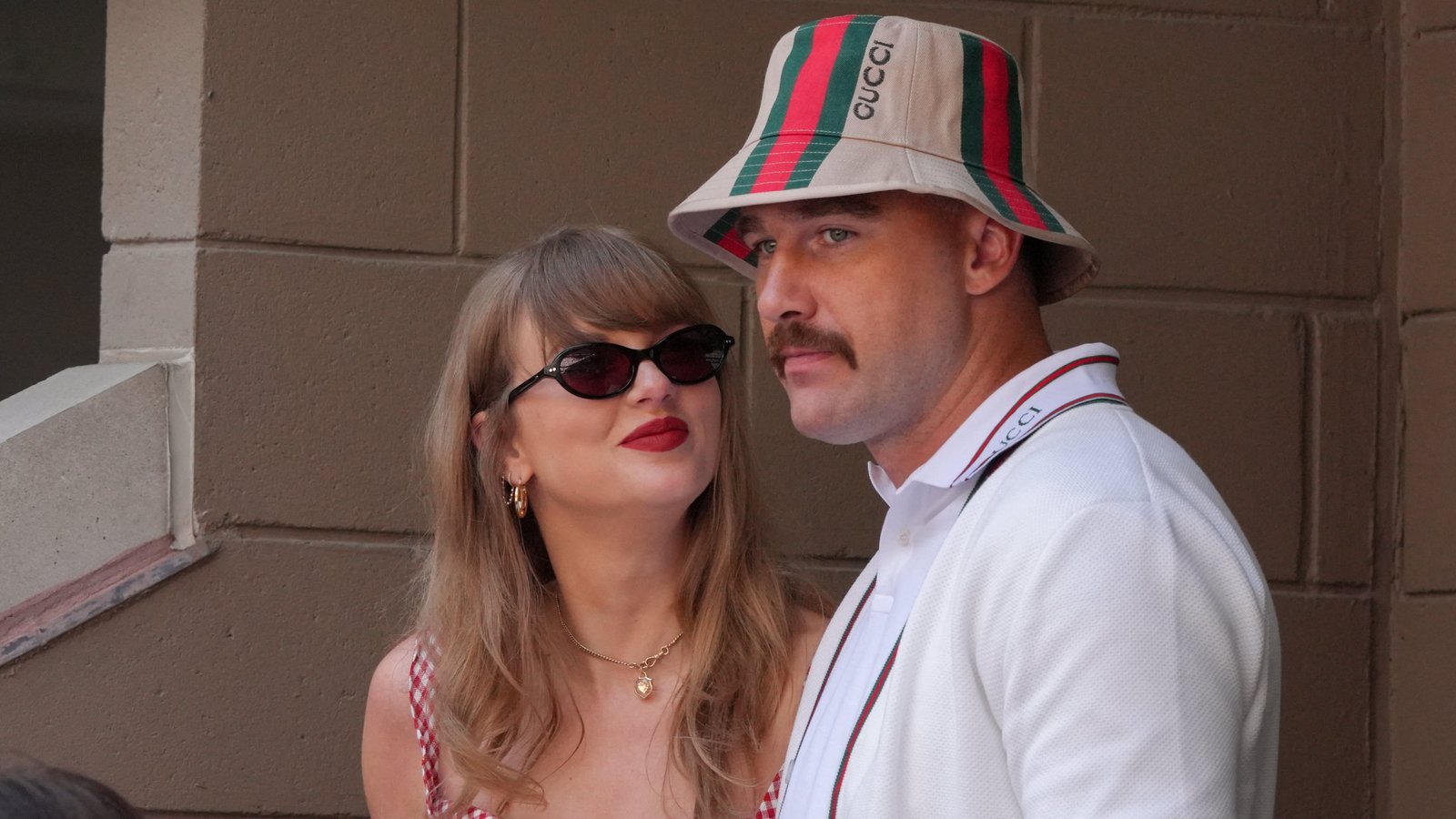
In an era defined by fractured attention spans, hyper-polarized algorithms, and the erosion of monoculture, the wedding of Taylor Swift and Travis Kelce achieved what media theorists had deemed impossible: it commanded the undivided, collective consciousness of the modern world. Staged against the glittering backdrop of New York City, the nuptials were not merely a private exchange of vows between two celebrated figures; they represented the ultimate confluence of American pop royalty and gridiron supremacy. The spectacle effectively shut down entire avenues of Manhattan, sent international media operations into overdrive, and demonstrated the unfathomable cultural gravity of the planet’s foremost cultural icon.
The public frenzy surrounding the ceremony resembled an international summit more than a traditional wedding. Crowds of devoted fans lined safety barriers days in advance, while paparazzi helicopters traced flight paths across the Hudson River and luxury hotels operated under maximum security protocols. The blending of Swift’s devoted, detail-oriented global fandom with the raucous, tradition-steeped world of the National Football League created an unprecedented media ecosystem. From sports talk radio debating Kelce's bespoke bridal tuxedo to prestige fashion journals analyzing Swift's bridal couture, the celebration dominated the global discourse, generating tens of billions of algorithmic impressions across digital platforms within hours.
Beyond the headlines, the economic ripples generated by the wedding proved staggering in scale and reach. Economists tracking the event observed a localized multi-million-dollar windfall for New York City’s hospitality sector, with luxury boutique hotels, artisanal florists, private aviation hubs, and high-end dining establishments reporting historic booking surges. The phenomenon underscored what analysts have dubbed the comprehensive multiplier effect of the Swift brand, where any geographic epicenter touched by her presence transforms into a goldmine of commercial transaction and cultural tourism, illustrating how celebrity milestones now rival major sporting tournaments in direct macroeconomic impact.
Yet beneath the glamour and corporate synergy lies a deeper sociological revelation about the modern human condition. In a society starved of shared communal rituals, the public's obsessive consumption of this high-profile romance reflects a yearning for modern myth-making. Swift and Kelce offered a rare, wholesome archetype of contemporary Americana: the brilliant, self-made creative architect joining hands with the charismatic, championship athlete. It was a narrative so cinematic and emotionally legible that it bypassed cynical algorithmic fatigue, allowing millions of onlookers worldwide to project their romantic aspirations, nostalgias, and collective desires onto a single, brilliantly curated celebration.
The aftermath of this cultural phenomenon leaves an indelible mark on how celebrity influence will be measured for generations to come. The event demonstrated that while traditional entertainment media may be fragmented, sovereign cultural figures possess the unique power to orchestrate singular, unifying global moments. The union of Swift and Kelce did not merely set a new benchmark for celebrity spectacle; it temporarily broke the algorithmic architecture of contemporary culture, proving that when true star power aligns with narrative perfection, the entire world will eagerly stop what it is doing to watch.